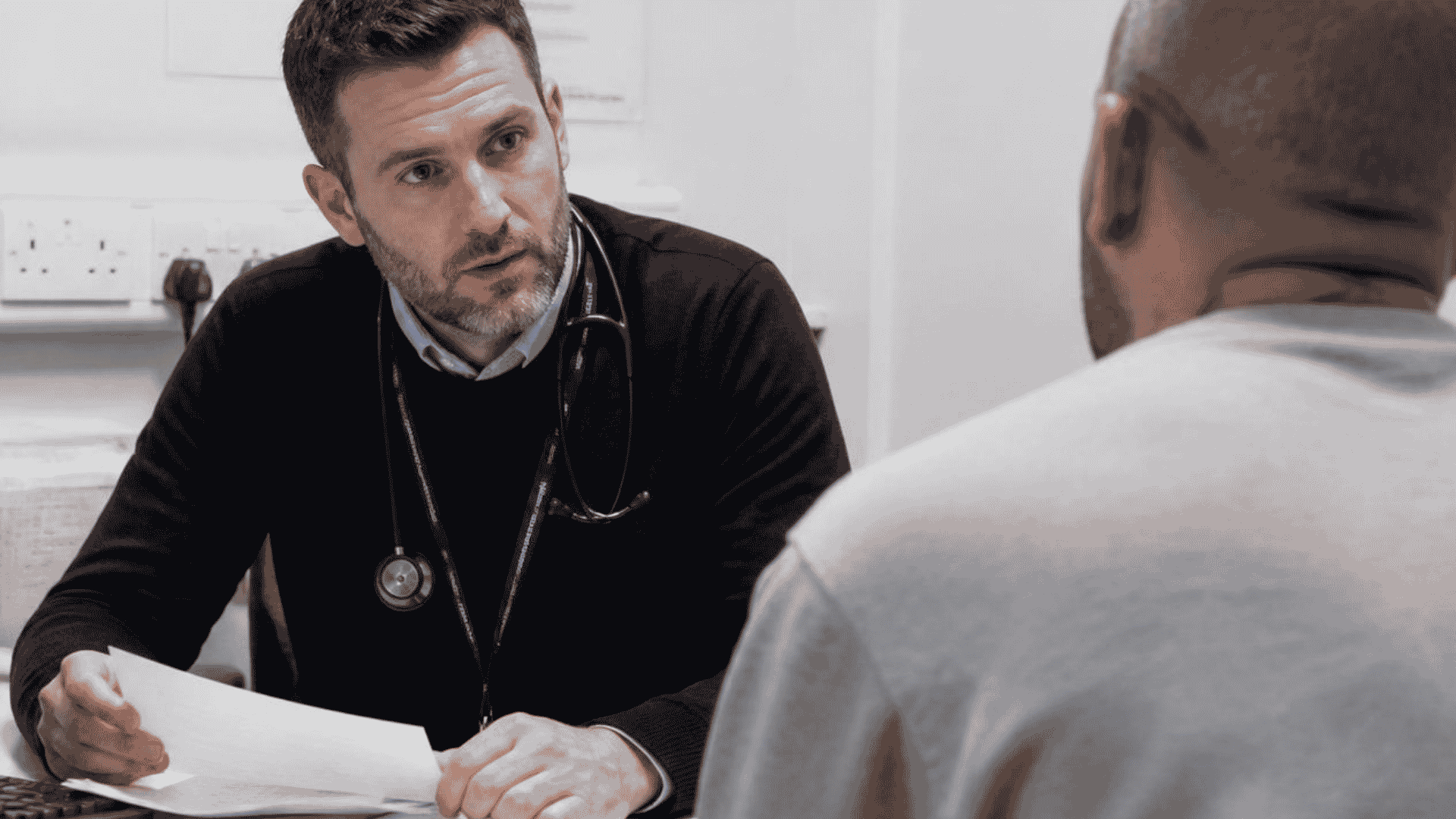
Becoming a prison GP takes three things: GMC registration, an Enhanced DBS check, and HMPPS security clearance.
The clinical side is straightforward if you are already practising.
It is the vetting that stops people, and until 31 December 2026 Eligo is offering to cover the cost.
What security clearance do you need to work as a prison GP?
HMPPS security clearance, which is Enhanced Level 2 for most establishments and a Counter Terrorism Check for high security sites, alongside an Enhanced DBS check. Both sit on top of your GMC registration, and neither is anything to do with your clinical record.
Why does prison healthcare need clearance at all?
Because you are working inside a secure estate, with access to people, medication and information that all carry risk. Everyone entering goes through it, from healthcare staff to maintenance contractors. It is not a judgement on you, it is procedure.
What does the process involve?
An Enhanced DBS check, which most GPs have done before, then an HMPPS vetting application covering your identity, address history, financial position and close associations. The financial questions surprise people, but they are routine and nobody is looking for perfection. After that it is a waiting period, and the timescale varies by establishment and by how quickly your paperwork comes back.
Which services are actually hiring?
We are working with a small number of prison healthcare services that need GPs for regular sessions, not one-off cover, which means predictable work rather than chasing shifts. Because vetting takes weeks, the people who get those sessions are the ones who started the process before the vacancy came up.
Why is Eligo covering the cost?
Because the outlay and the uncertainty together were stopping good clinicians from ever finding out whether this work suited them. You tell us you are interested, we cover the cost, advise you which clearance each role needs, and we introduce you to the services that are recruiting.
Offer runs until 31 December 2026.
Why do prisons need GPs so consistently?
Prison populations carry far more chronic disease, mental health need and substance misuse than a typical community list, often in the same patient. That makes qualified GPs a standing requirement right across the estate rather than an occasional one, and it is why the work tends to be there when you want it.
Is it right for you?
It suits GPs who like clinical autonomy and are comfortable with complexity. Consultations can be demanding. In exchange, you get defined sessions, a clear end to the working day, a team that knows the population well, and none of the partnership and business pressure pushing so many GPs out of practice. It does not suit everyone, and we would rather say so before you start the paperwork than after.
What happens next
Call me on 0208 944 4192 , and I will talk through the vetting, what the work is genuinely like, and which services are recruiting. If it is a fit, we cover the cost and point you at what to do next. If it is not, you get a straight answer.
Please tell us if you need any adjustments to take part in our recruitment process.
Contact us