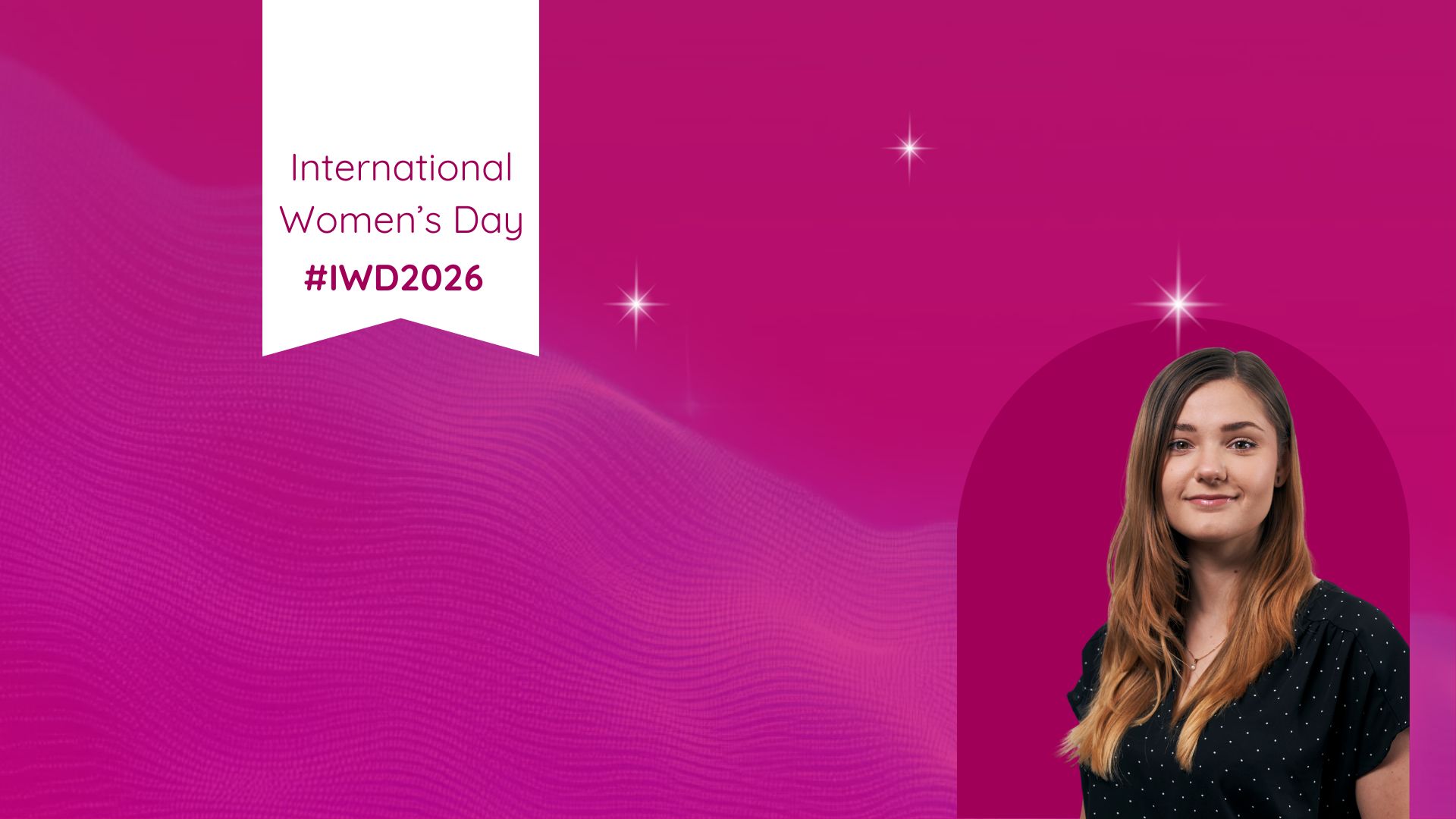
This interview is part of our Women in Data Centres spotlight series for International Women's Day 2026.
Data Centre Engineer Amanda Blomberg on staying curious, the shift to liquid cooling, and why taking up space matters.
Amanda Blomberg, Data Centre Engineer at Conapto, represents a new generation entering the industry. Starting with a vocational education specifically designed for data centres, she's experienced firsthand how rapidly the sector is evolving—from power density increases to the accelerated shift toward liquid cooling. In this conversation, she shares her perspective on technical change, the importance of transparency, and her advice for women building careers in the field.
From Software to the Physical World
Amanda's path into data centres began with a realisation.
"I've always liked IT and computers as a young girl,"
She studied IT during high school, but quickly noticed something: she was more interested in the physical aspects of technology than the software side.
"Unfortunately I did not really have an opportunity in high school to look further into the physical part."
After taking a gap year, an opportunity arrived in an unexpected form. A new vocational education programme was launched in her hometown, specifically designed for data centres, offering exactly the mix she'd been looking for: physical work combined with administrative responsibilities.
Over two years, she completed internships at different companies, gaining valuable exposure to how varied the industry really is.
"I took a chance. It was a great way to learn that not every data centre operates the same way, but also that a DCE role can really differ depending on where you work."
That early exposure to different operational models gave her a practical foundation that continues to shape her approach today.
Consistency, Curiosity, and Teamwork
When asked about her biggest career turning point, Amanda's answer is refreshingly straightforward:
"I don't think I've had a turning point yet. I've just been consistent and interested in the industry, but also a team player."
It's a reminder that not every career follows a dramatic pivot or single defining moment. Sometimes, sustained curiosity and steady commitment matter more.
For Amanda, teamwork isn't just a soft skill; it's fundamental.
"The way you work in your team is crucial for you, your colleagues, but also our customers."
In an industry where uptime and reliability are non-negotiable, collaboration isn't optional.
The Rapid Evolution: Power Density and Liquid Cooling
Ask Amanda how technical complexity has changed since she started, and her answer highlights just how fast the industry is moving.
"The biggest change is how power-dense racks are becoming, but also cooling alternatives,"
She says. When she first began studying, water cooling seemed like a distant future technology.
"But only a few years later, we are already there."
It's a shift that's transforming data centre design and operations—and it's happening faster than many anticipated. The implications are significant: different infrastructure requirements, new operational considerations, and evolving skill sets for engineers on the ground.
"When I first started studying, water cooling seemed to be further in the future, but only a few years later, we are already there."
This pace of change shapes Amanda's view of what will matter most over the next five years: having an open mind.
"Things are moving really fast in the industry at the moment."
The ability to adapt, learn, and stay curious will be more valuable than clinging to established approaches.
Transparency and Changing the Narrative
One of Amanda's concerns is the industry's reputation problem.
"Right now we don't have a good rep with the general public and it's for us to turn it around by making them understand the industry and really apply sustainability to the way we operate."
For her, the solution isn't just better PR, it's genuine transparency about how data centres work and a real commitment to sustainable operations. As the industry grows and faces increasing scrutiny over energy and water usage, this matters more than ever.
"What I'm hoping the most for is new ways for data centres to be as sustainability focused as they can be, but also for more companies to want that as well, without it being regulations that motivate them."
It's about embedding sustainability into the culture, not just checking compliance boxes.
Leadership Through Humility
Amanda's approach to her role is grounded in humility.
"I don't really see myself as a senior technician, and maybe that is the trick," she says. "You will never know everything in this industry, and you have to be willing to learn new things and listen to others."
It's a mindset that serves her well in a field where technology evolves constantly, and no one person can master every domain. Rather than positioning herself as the expert with all the answers, she focuses on curiosity, asking questions, and relying on her team as a sounding board.
When it comes to balancing speed, resilience, and sustainability in high-pressure environments, Amanda's advice is practical: plan for the future, especially when building new infrastructure.
"Don't put yourself in a box, make sure you have a chance to adjust to new circumstances."
Flexibility isn't weakness, it's strategic foresight.
The Generational Shift and What It Means
Looking ahead, Amanda is energised by what's coming.
"The industry is growing, and we need to get more people to join us now that there will be a generational shift," she says. "But I think there will be a lot of good coming from that with new ideas and solutions."
As experienced professionals retire and new talent enters the field, there's an opportunity to bring fresh perspectives, challenge assumptions, and drive innovation. For Amanda, this isn't something to fear, it's something to embrace.
Her Advice: Take Up Space
For women considering a career in data centres, Amanda's advice is both practical and empowering. First: build a network, especially with other women.
"We might be few but we work in many departments all over this industry, and that is a good thing."
She explains. Those connections matter—for support, mentorship, and opportunities.
But her second piece of advice is equally important: don't shrink.
"It's okay to take up space even though we are few in numbers."
In an industry where women remain underrepresented, visibility matters. Speaking up, contributing ideas, and claiming your place at the table isn't arrogance; it's necessary. Amanda's career is proof that curiosity, consistency, and the willingness to learn can carry you forward, regardless of how many others look like you in the room.
A Future Built by the Next Generation
As data centres face unprecedented growth, technical complexity, and public scrutiny, the industry needs people like Amanda: curious, collaborative, unafraid to learn, and committed to doing things better.
Her story is a reminder that you don't need a dramatic turning point to build a meaningful career. Sometimes, showing up consistently, staying open to change, and refusing to make yourself smaller is exactly what's required.
Subscribe to Data Centre Perspective for monthly industry insights and exclusive interviews.
This interview was brought together for our Women in Data Centres spotlight series for International Women’s Day 2026.
At Eligo, we work closely with data centre developers, operators, consultancies and contractors across the UK and Europe, supporting the growth of technical, design and delivery teams in one of the world’s fastest-moving sectors.
If Irene’s journey resonates with you, whether you’re building your team or considering your next move in the data centre industry, I'd love to start a conversation.
📩 Clients: If you’re looking to strengthen your design or technical delivery capability, get in touch with me to discuss how we can support your hiring plans.
📞 Candidates: If you’re curious about opportunities in data centres or considering a transition into the sector, you can check out our latest data centre roles here and I'm always happy to share insights and guidance.